Does our appearance, grooming, body language, and daily habits can sometimes give clues about stress, overload, or poor self-care, but they should never be treated as a diagnosis of someone's mental health. The same appearance can have many causes.
1. How stress may show up externally
Area Possible signs What it may indicate
Personal hygiene Neglecting bathing, grooming, dental care, clean clothes Exhaustion, low motivation, overload or disrupted routine
Face & eyes Tired eyes, dark circles, dull expression Poor sleep, fatigue, long working hours
Hair & grooming Untidy hair, suddenly neglecting grooming Lack of time, energy or self-care
Clothing Frequently unprepared or inappropriate clothing Rushed mornings, poor planning or fatigue
Body language Slumped shoulders, crossed arms, constant fidgeting Tension, anxiety, discomfort or fatigue
Posture Stiff neck, raised shoulders, hunched posture Physical tension associated with prolonged stress
Speech Speaking too quickly, irritability, frequent pauses Pressure, emotional overload or mental fatigue
Behaviour Forgetfulness, rushing, repeatedly saying "I don't have time" Poor prioritisation, overload or insufficient recovery
2. Can body structure reveal mental well-being?
Here I would make an important distinction in your training:
Body structure does NOT reliably reveal someone's mental well-being.
For example, being thin, overweight, muscular, short, tall, or having a particular body shape does not tell us whether someone is stressed, happy, depressed, disciplined or mentally healthy.
Instead, teach participants to observe changes in behaviour and functioning.
For example:
"Don't judge the person. Notice the change."
A normally well-groomed employee suddenly appearing exhausted for several weeks is more meaningful than simply saying, "He looks stressed."
3. The connection between time management and appearance
Poor time management → rushing → reduced self-care → fatigue → irritability → reduced productivity → more unfinished work → more stress.
Plan → Prioritise → Prepare → Execute → Take breaks → Review → Recover
This creates a much healthier relationship between time, energy and performance.
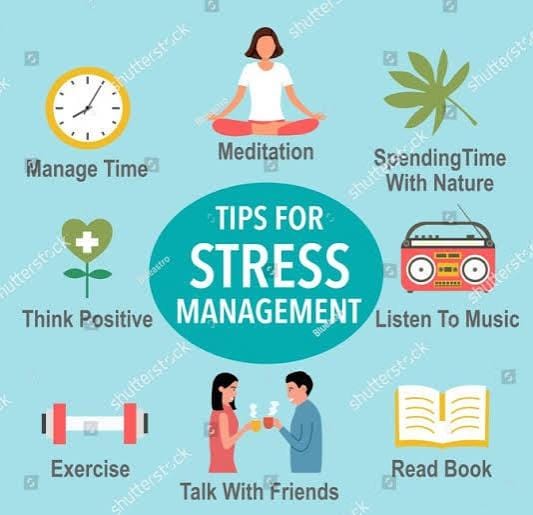
4.Learn the concept of "Self-Care is Time Management"
Self-care doesn't necessarily mean spending hours at a spa or taking a holiday.
It can mean:
7–8 hours of adequate sleep for most adults
Regular meals and hydration
Personal hygiene
5–10 minutes of breathing/relaxation
Physical movement
Keeping the workplace organised
Planning the next day
Saying NO to unnecessary commitments
Taking short recovery breaks
Spending quality time with family
Disconnecting from work before sleep
5. A simple model:3 S Stress Check":
👀 SEE
What has changed?
Appearance
Grooming
Posture
Energy
Communication
Behaviour
🧠 SENSE
What could be happening underneath?
Too much workload?
Poor sleep?
Emotional pressure?
Poor planning?
Personal problems?
Lack of boundaries?
🔄 SHIFT
What small action can I take today?
Prioritise
Delegate
Take a break
Plan tomorrow
Exercise
Talk to someone
Practise breathing
Improve sleep routine
This teaches people observation without judgement.
6. Activity :"Mirror, Mirror"
"If your body could speak, what would it tell you about your current lifestyle?"
five areas:
1. Face – What does my face communicate?
2. Body – Am I relaxed or constantly tense?
3. Grooming – Am I taking care of myself?
4. Time – Am I always rushing?
5. Mind – Am I mentally present or constantly distracted?
Ask:
"Which ONE area needs your attention this week?"
They write one action.
Problem: Always rushing in the morning
Action: Prepare clothes/bag the night before
Time saved: 15 minutes
Stress reduced: Less morning rushing
7. "Your appearance is not your diagnosis—but it can be your warning signal."
And then:
Notice → Don't judge → Understand → Act
That makes the topic much more responsible than teaching people that "dark circles = stress" or "body shape = mental health."
Stress & Time Management can be done through Self-Awareness"
 September 04, 2026